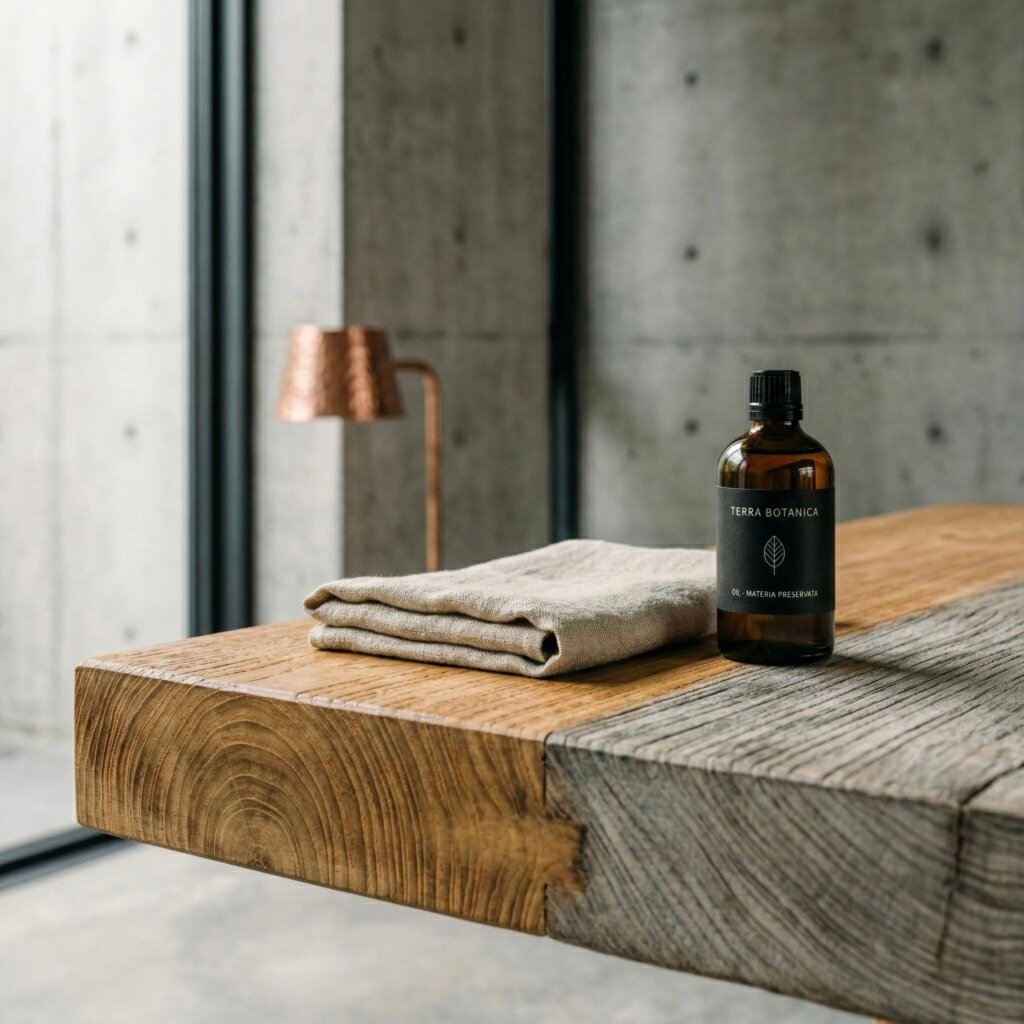
In the echelon of elite spatial design, the commissioning of raw architectural elements is only the inception. True sanctuary requires deliberate material stewardship. We do not merely maintain decor; we preserve tactile assets and safeguard the biological integrity of the estate. With uncompromising stewardship, your spatial anchors—whether foundational heartwood, architectural metals, or woven botanicals—become permanent heirlooms, actively down-regulating the nervous system for generations.
Grade-A heartwood is a profound architectural investment. It is a biologically active mass, dense with innate resins and defensive compounds. To honor its provenance and sustain its frictionless, neuro-aesthetic value, rigorous preservation protocols are strictly mandated. Proper stewardship ensures the material continues to serve as a physiological countermeasure to the synthetic modern world.
The Structural Mineral Reaction
Grade-A heartwood is a living, evolving entity. Fortified by high concentrations of tectoquinone and silica, it actively responds to its environment. Its iconic transition to a silver-gray patina is not a symptom of decay—it is a sophisticated structural mineral reaction. As the outer layer of lignin oxidizes in the presence of UV light and oxygen, it forms a protective, mineralized shield. This aesthetic evolution typically unfolds over 2 to 5 years.
Should the architectural vision of the estate require the original honey-gold luster, the silvered layer can be effortlessly planed or sanded away, revealing the pristine, active heartwood beneath. When altering or restoring the surface state, it is imperative to consult a specialized material technician to ensure the cellular integrity of the wood remains uncompromised.
This biological autonomy allows Grade-A teak to dictate the standard in superyacht decking, alpine chalets, and coastal architecture. It commands enduring elegance and absolute structural permanence without the constant friction of high-maintenance interventions.
Spatial & Environmental Calibration
The placement of your architectural elements dictates their atmospheric impact. Position heavy timbers and sculptural metals where they benefit from balanced airflow and controlled natural light. This environmental calibration ensures the materials can breathe, allowing their tactile warmth to actively anchor the space and ground the human bio-rhythm without the interference of excessive, concentrated moisture or severe, localized heat.
Protocols for Surface Preservation
Within our curated collections, the final surface state is not merely an aesthetic choice; it is the definitive step in bespoke procurement. Whether left raw to maximize tactile feedback or meticulously oiled to saturate the grain, each finish requires a specific cadence of stewardship.
Material Stewardship Directives:
- Routine Purity: Eradicate surface spills immediately. Utilize strictly pH-neutral, botanical-based cleansers to preserve the hand-honed grain and prevent chemical degradation.
- Raw & Oiled States: Cleanse with pure water and mild, natural soap. Dry immediately with an untreated, soft architectural cloth. Avoid chronic water pooling to maintain the wood’s inherent hydrophobic shield.
- Stained & Bleached States: Restrict moisture exposure to prevent unintended tonal shifts. Rely on dry dusting or lightly damp micro-fiber application to sustain the curated visual frequency.
- Exterior Architectural Deployment: When not in active use, utilize a premium, breathable architectural canvas cover. This mitigates excessive UV saturation and atmospheric particulate buildup, extending the generational lifespan.
- Interior Sanctuary Care: Maintain optimal HVAC ventilation. Keep monumental teak anchors away from the direct, forced heat of artificial climate control to ensure the cellular moisture remains perfectly balanced.
The Stewardship of Light-Diffusing Botanicals
The architectural integration of hand-woven rattan, banana leaf, and sea grass provides essential fractal depth to the sanctuary. These organic matrices actively soften harsh acoustics and diffuse high-kelvin lighting. However, unlike the dense gravity of heartwood, these botanicals require a distinct cadence of environmental stewardship to maintain their structural elasticity.
Botanical Preservation Protocols:
- Atmospheric Hydration: Woven botanicals are native to high-humidity environments. When deployed in dry climates or estates with heavy artificial heating, they risk cellular brittleness. Maintain ambient room humidity or utilize a micro-mist of pure distilled water bi-annually to restore flexibility to the fibers.
- Particulate Eradication: The fractal nature of woven architecture naturally captures atmospheric dust. Reject liquid chemical cleaners entirely. Utilize a dry, natural-bristle architectural brush or a low-velocity vacuum to extract particulate matter without fracturing the dried leaf or vine.
- UV Calibration: While these materials diffuse light brilliantly, chronic exposure to direct, magnified ultraviolet rays will drain the natural tonal depth of the banana leaf and rattan. Position these elements to interact with indirect, ambient sunlight to preserve their organic aesthetic.
- Structural Integrity: Woven cordage is engineered for tension, but it must not be subjected to acute, localized pressure. Ensure the structural load is distributed evenly across the metal or teak frame rather than directly onto the woven matrix.
The Prohibition of Synthetic Sealants
Applying industrial paint, polyurethane, or synthetic lacquer to Grade-A teak is an architectural critical failure. Heartwood must breathe. Enclosing its active oils and silica matrix beneath a synthetic barrier chokes the cellular structure, trapping ambient moisture beneath the surface and rapidly accelerating internal decay.
Note: This strict prohibition applies exclusively to elite, Grade-A heartwood. Lower-tier commercial timbers (Grades B and C) lack natural defensive compounds and fundamentally require the artificial life-support of chemical sealants.
Eradicating Chemical Friction
Reject the use of standard commercial varnishes or petroleum-based sealants. These toxic compounds off-gas into your sanctuary, introducing an invisible biological load that actively drains elite cognitive focus. To nourish the wood, rely exclusively on premium, naturally derived oils and waxes explicitly formulated for marine-grade or architectural teak. By allowing the material to remain biologically active, you secure a tactile ecosystem that provides unparalleled permanence.